
By the time a market shift has a name, you're already behind the curve. We built Night Shift AI to spot and interpret change long before trend reports make it a hot topic and market research puts a number on it.
At Daybreak, we develop strategy by combining two ways of understanding: the “daytime language” of business and the “nighttime language” of culture. Numbers and market shares are the “daytime language,” and plenty of people speak it fluently. It rarely tells you where new demand lies, because behavior changes quickly and data is slow to catch up.
Night language interprets the movement itself: what’s stirring in culture, what people are starting to care about, and which competitors are still out of sight. Its only drawback is practical. The signals originate in TikTok videos, book clubs, bars, and subcultures, and no team can keep up with them all. So we built a machine that analyzes the trail they leave behind.
What Night Shift AI Is
Night Shift AI is Daybreak's agent-based AI. Think of it as a research fellow who understands "day language" but seeks insights in "night language." It consists of a group of specialized agents, each with a specific role in analyzing the market, so you get the insights of an entire team where a chatbot would give you just one answer.
I have spent the past 20 years working with trends, foresight, cultural shifts, and ethnography on five continents—both in real life and online—and the past two years rethinking how strategy is developed using AI and agents. So when I built this, I knew a few places to look and what to look for.
The "night" in the name refers to language, not the time of day. It’s named for what it focuses on: the places that daytime language cannot reach. Night Shift AI runs whenever it’s needed, which conveniently means no one is entitled to a night shift bonus. I’m starting to think the agents 100% deserve one anyway.
How It Works: Four Steps from Signal to Growth Hypothesis
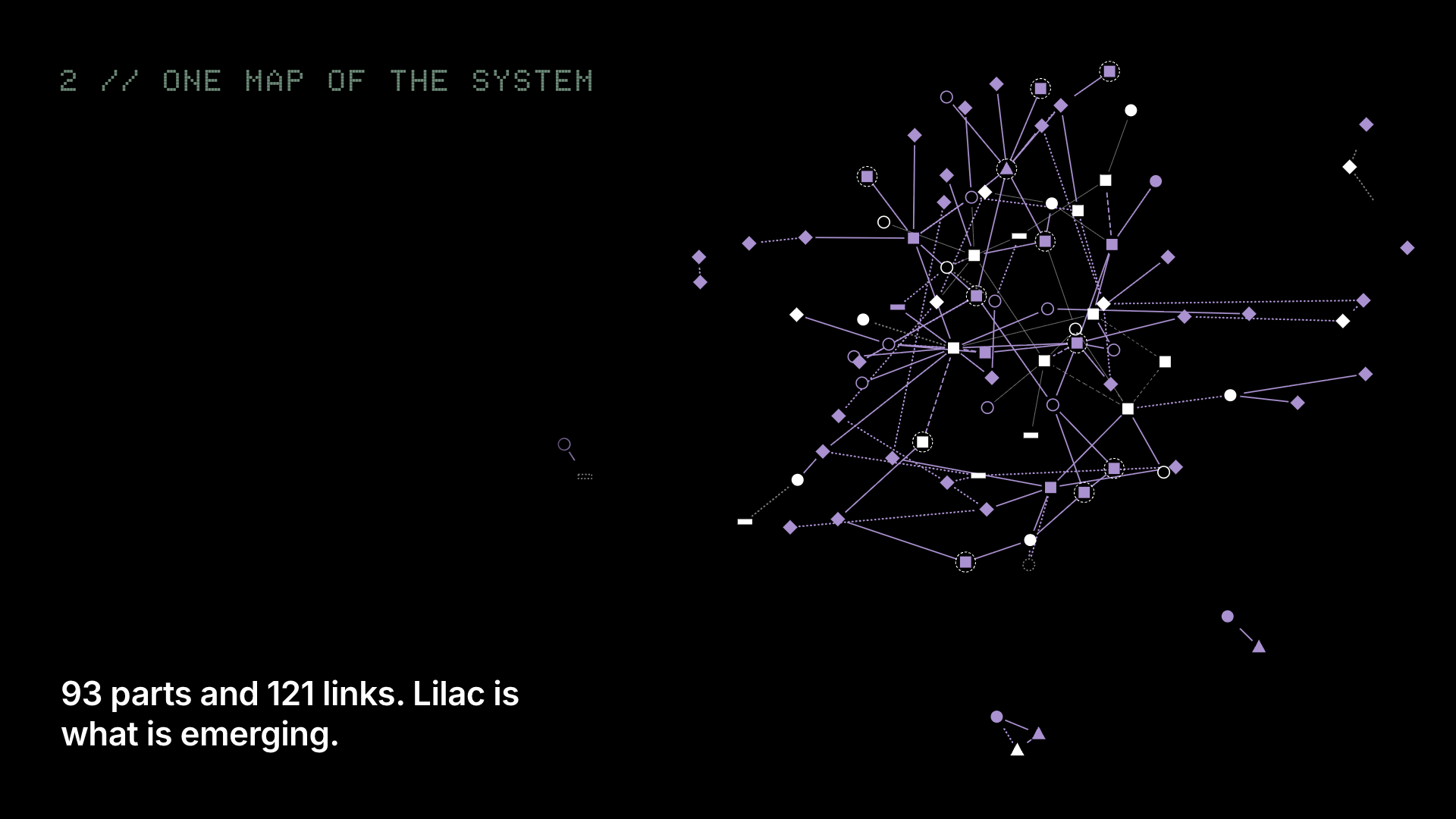
A market is a system, so we map it as such. This time, the map is drawn in the language of the night: phenomena, meanings, emerging demand, and the players in the shadows—and how they influence one another. Each of the four moves produces something that people can interpret and debate.
It draws on a wide range of sources. Thousands of sources across various fields: media, communities, and the fringes of culture and commerce. Cultural and media research is also on the reading list, which adds depth to the phenomena and offers new perspectives.
It senses and sifts. From that mass, it extracts the faint signals, cultural trends, and everyday changes that matter to this market.
It maps meanings. Signals cluster into phenomena on a map of text and images. The map shows which meanings are gaining strength, where meaning is fading, and who is moving into that territory.
It tests hypotheses. It formulates initial hypotheses about where new demand might exist and tests them before anyone commits to anything.
In client work, it evaluates all of this in light of your brand's strategy and positioning, so the map shows what this shift means for you.
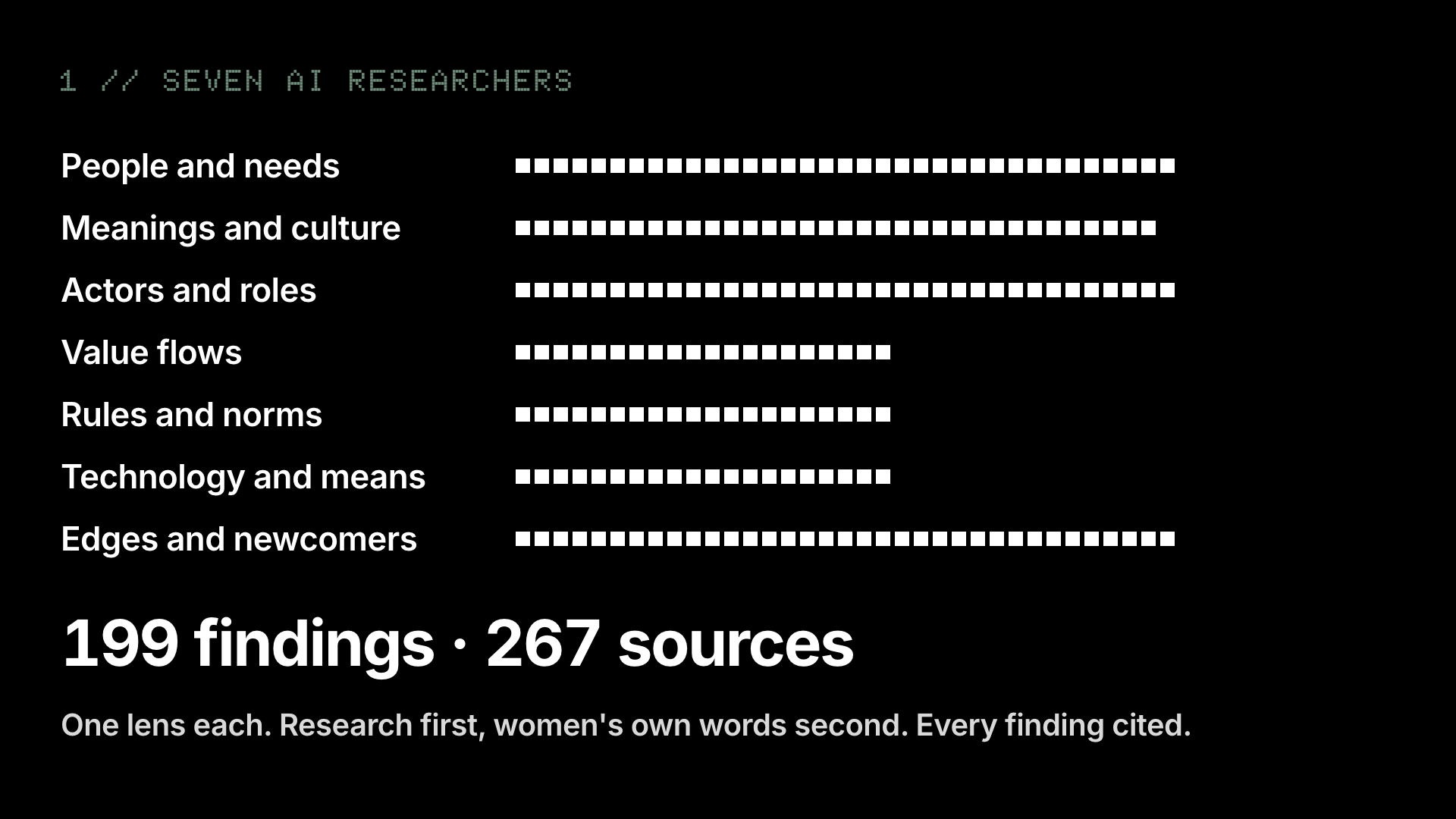
The machine reads. People interpret and make choices.
Night Shift AI does not come up with the interpretation or the strategy on its own, nor should it. It is one of three parties in a Night Shift growth sprint, in which the client team, our strategists, and the AI interpret the market together using “night language.”
Night Shift AI provides breadth: thousands of sources, the signals, the map of meanings, and the initial hypotheses.
Daybreak's strategists bring a human touch: insight, discernment, and a well-honed sense of what matters in a phenomenon and of how to manage the creative collaboration.
The client team brings the business: an understanding of how it operates and the decision on what to pursue.
The distinction is intentional. The machine processes more information than any person has time to read, and it doesn't need coffee to do so. It is up to people to decide what it all means and what to do about it.
What You'll Take Away
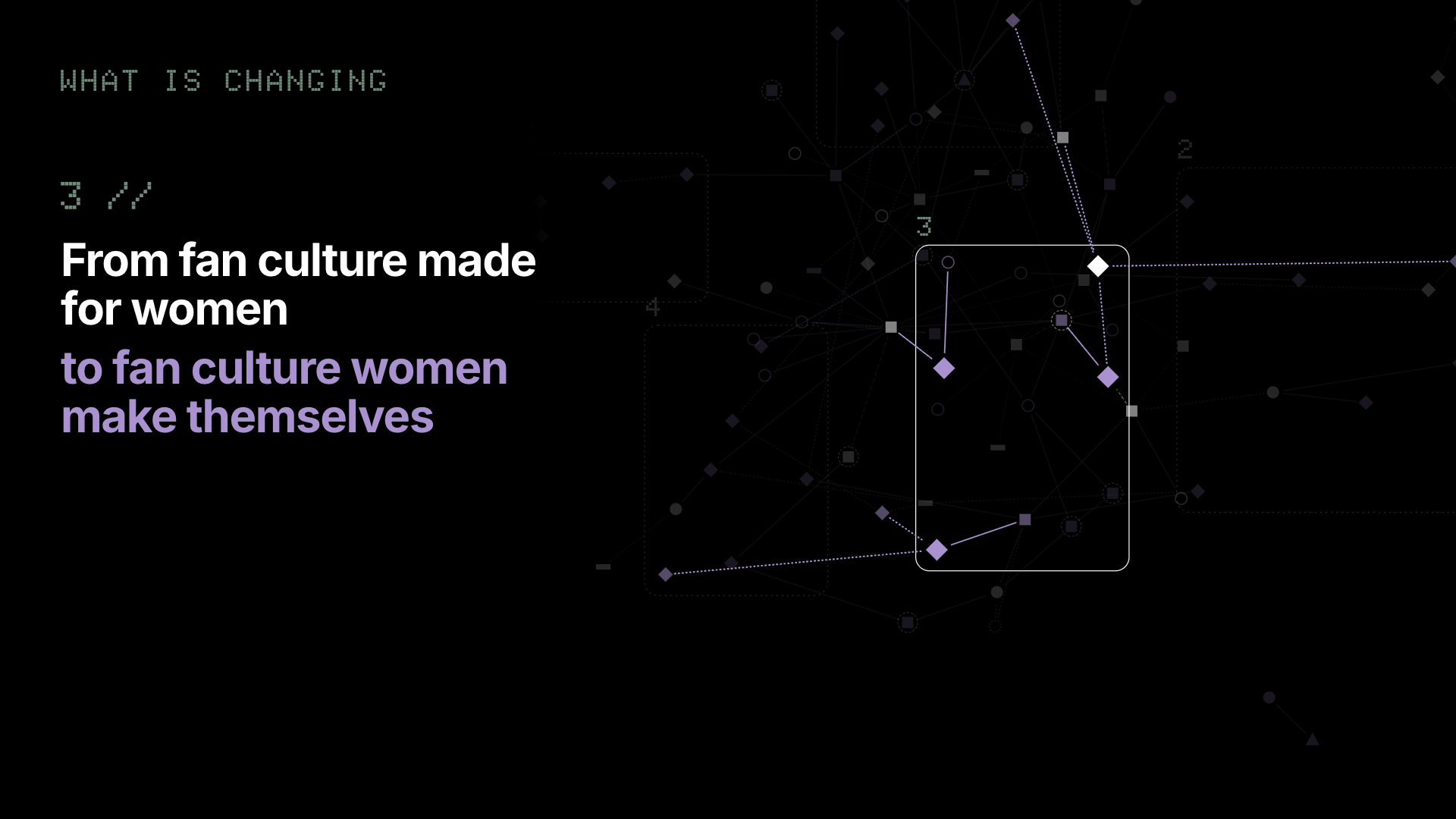
A team leaves a Night Shift sprint with a new perspective on its market and one growth opportunity in hand. Four factors contribute to this.
1. The trends reshaping your market—early on. You’ll learn about the ones that matter most and how they affect your business, while you can still be among the first to respond.
2. Where new demand is emerging. You can see what customers are beginning to need and how value is beginning to be created before either of these trends is reflected in the sales figures.
3. The competitors in the shadows. Categories blur. The players vying for the same money, time, and attention are often the ones not listed in any competitor analysis. You see the new competition and the opportunities at the edges of your category.
4. Tomorrow's Growth Opening. You'll leave with a growth hypothesis and an initial idea for how to validate it.
And it's fast. The background work that would normally take weeks is completed before the sprint, so the time spent together is devoted to interpretation and decision-making.

Example: From hockey romances to the stands
A media client wanted to understand the growing market for women's sports. Night Shift AI analyzed trends in Finland, Sweden, the UK, and the United States. Our strategists expanded on the analysis, and during the sprint, we discussed the findings with the client's team.
The Day segment would have reported viewership figures and the price of broadcasting rights. The Night segment showed the following:
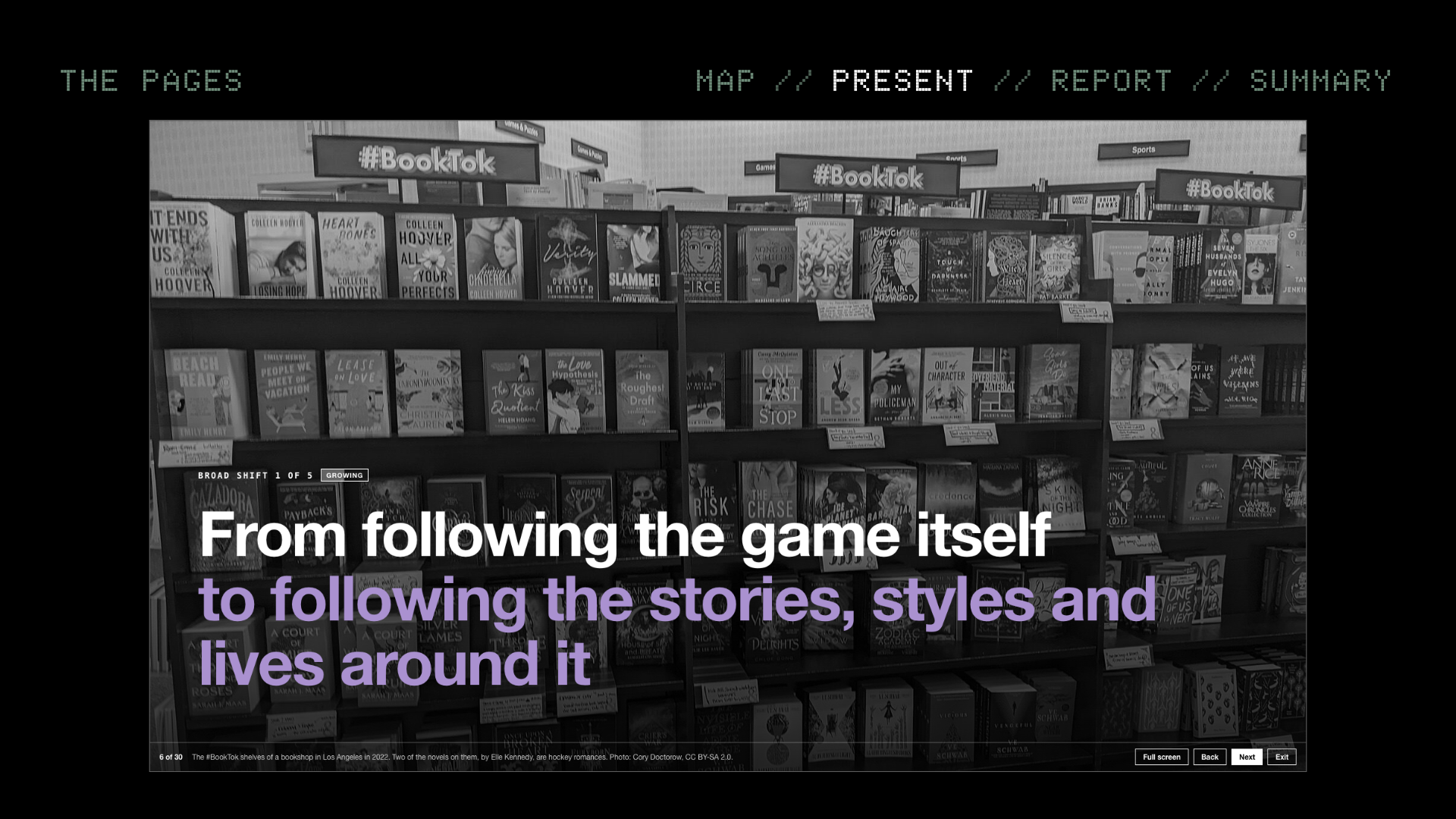
A phenomenon: story fandom. In the U.S., BookTok’s hockey romances and series like *Off Campus* are drawing young women to the arenas of a sport that used to feel foreign to them. A crush on a story can turn into a lasting connection to the sport—if someone paves the way.
A competitor in the shadows: whoever owns the stories and communities. The sports media’s toughest competitors hold no broadcasting rights. They hold the stories and communities through which new audiences discover sports.
A new trend: places where you can be a fan on your own terms. Sports bars designed for women are popping up quickly, including The Sports Bra in Portland and Babe’s in Chicago.
A growth opportunity: sports media shaped by women. Sky Sports shut down its pastel-colored TikTok channel for women after three days because the audience found it patronizing. TOGETHXR, founded by female athletes, offers an alternative: women deciding what topics are covered in sports and what drives revenue.
None of this would have been apparent from a market share table. Market share tables don't read romance novels. And we kept all of it at a level the client can act on today. They ended the sprint by selecting one growth opportunity, and we are now developing it together.
See your market in the language of the night
Night Shift is designed for leadership teams and for growth, brand, and innovation teams who want to challenge their assumptions about where growth comes from. In just half a day, you’ll gain a new perspective on your market and identify one growth opportunity to pursue.
We have room for a few more this year. Let's talk about the blind spots where your next growth opportunity might be hiding.